Reoccurring words you may note:
“Calen” from the same Latin root word that gives us Calendar means the first day.
“Alban” means quarter year – the solstice or equinox
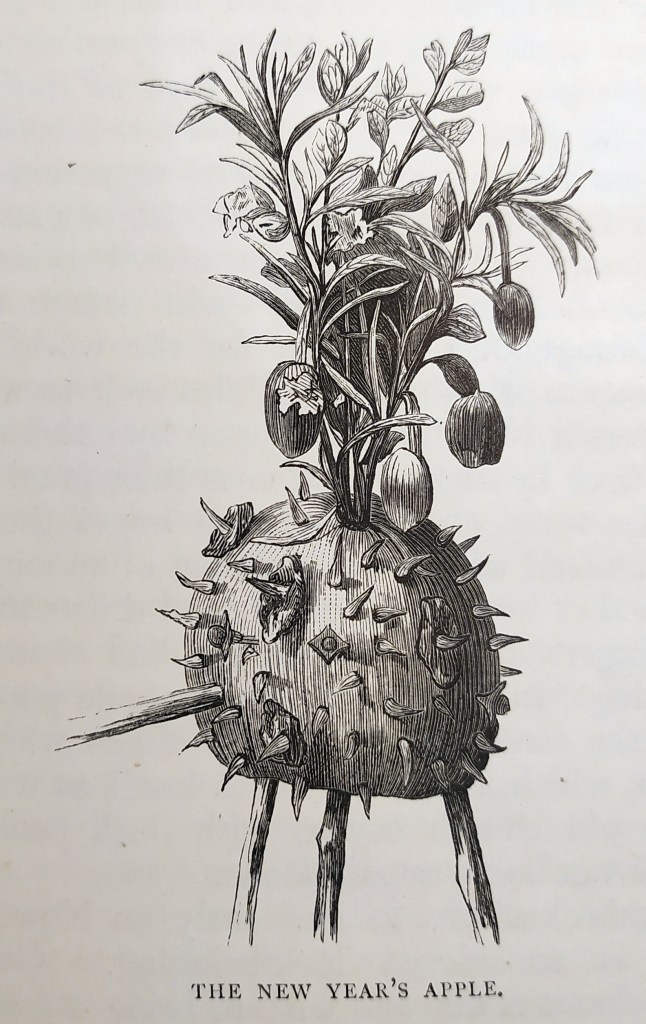
Calennig
The calendar New Year!
Typically celebrated around January 12th, as in William Shakespeare’s “Twelfth Night.”
An apple is usually adorned, with spices, sticks, raisins, and hazlenuts, as is depicted here.
Many of the traditions are now made a part of Alban Arthan, such as adorning pomanders and caroling.
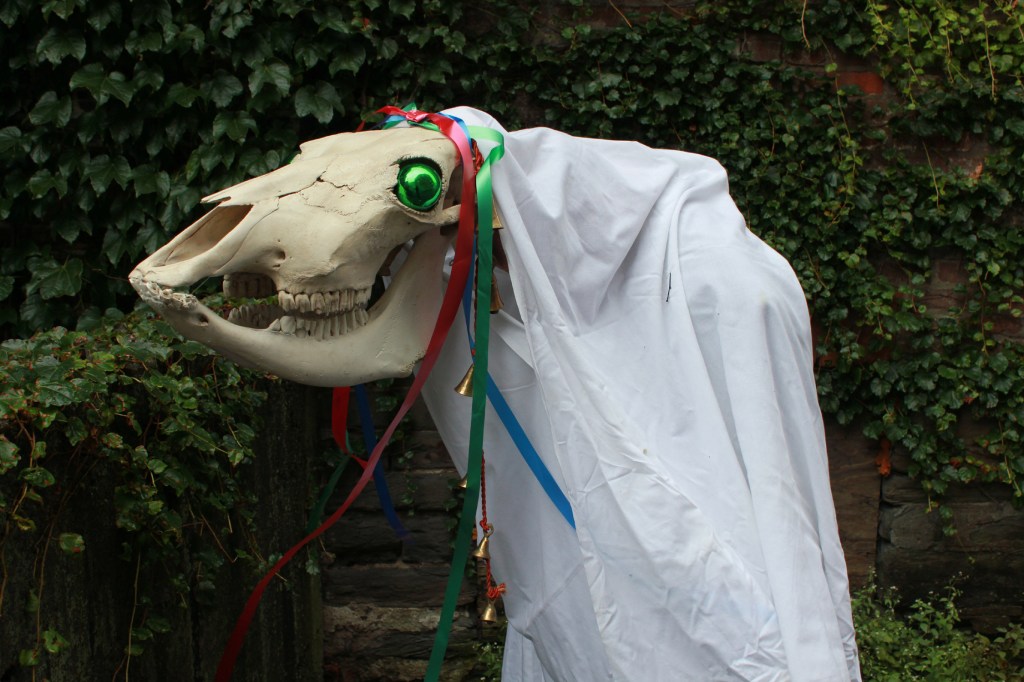
The tradition of the “old horse” procession — Mari Lwyd in Cymreag (Welsh) or Pen Cefyl in Kernoweck (Cornish) is often practiced during this holiday.
Imbolc
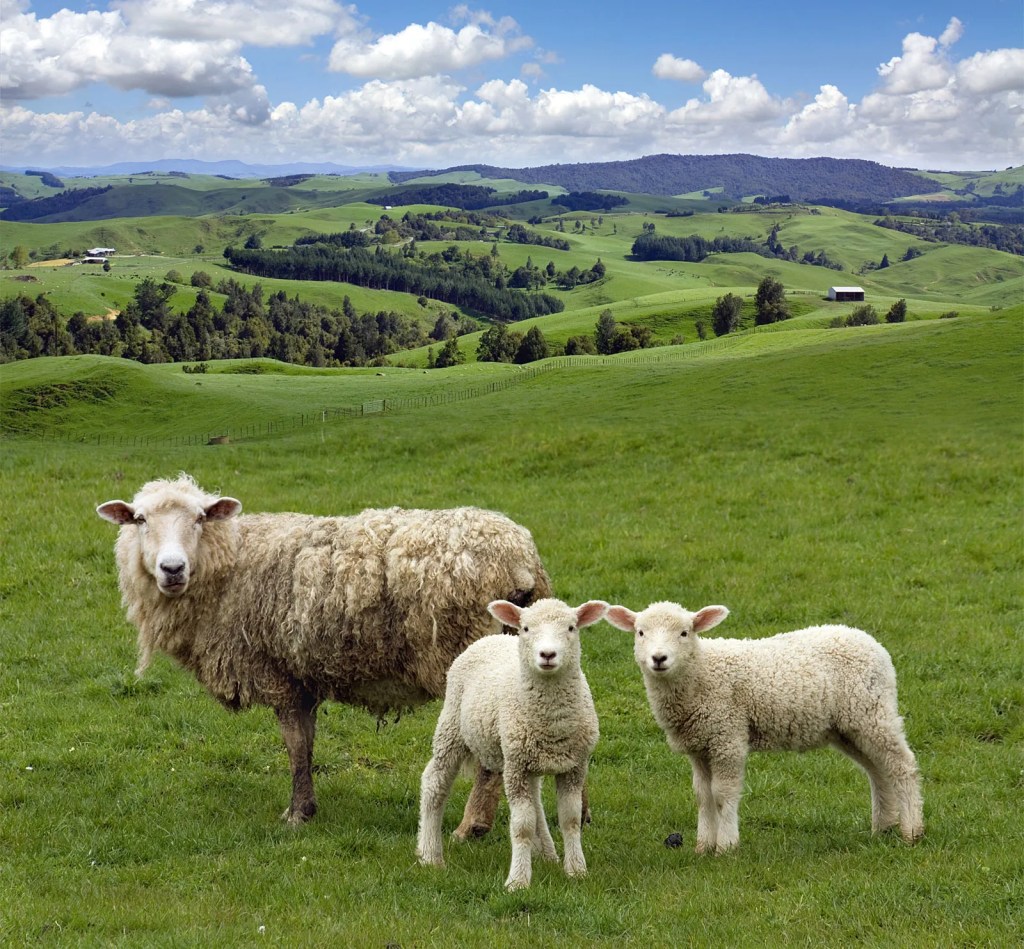
In our tradition, Imbolc was a working holiday, as February 2 is around the time when lambs are born and the sheep had to be attended to.
Brigid is revered on this day, and was euhemerized in Christianity.
In Cymraeg, the day is often called “Calan Fair”.
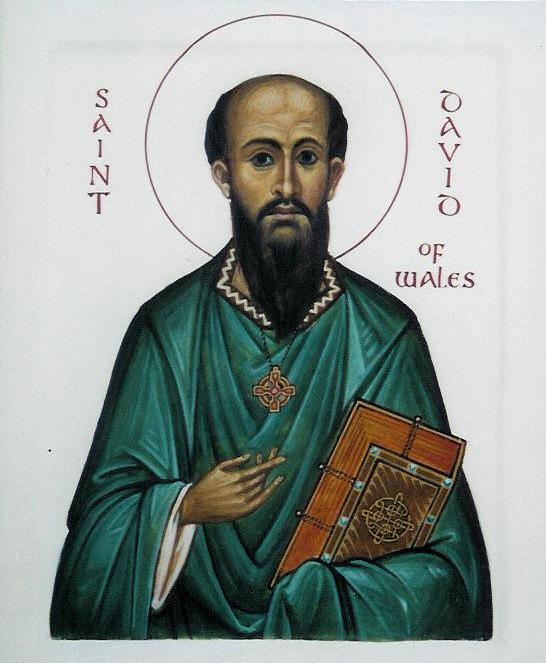
Dai Dewi
We believe David (Dewi) to have been a magician euhemerized into a Christian Saint, and patron saint of Cymru.
March 1st is a celebration of the Cymraeg people and culture, typically celebrated by listening to Cymraeg music and poetry and eating delicious Welsh cakes and Cawl, a stew boiled in a cauldron.
In Cymru, daffodils are gathered.
Alban Eilir
Celebrated circa March 21st.
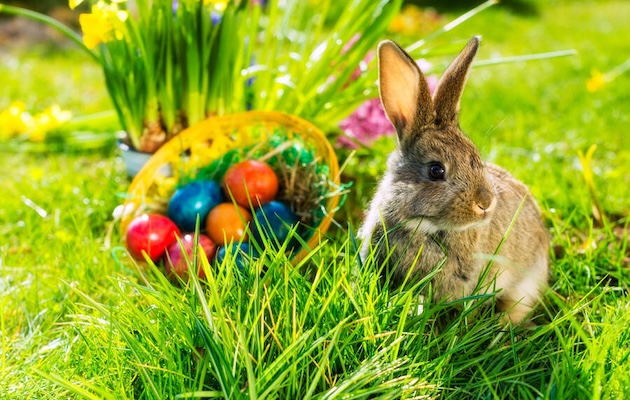
Eilir means Spring and the signs of spring are the key elements of the holiday. Hares in Britain create nests of grass that look similar to bird nests.
An egg hunt is held and then the eggs are dyed to both prophesize and invoke blessings for the coming year.
In the USA, daffodils are gathered.
Cyntefin
AKA Calan Haf both meaning “Beginning of Summer”, Calan Mai meaning “Beginning of May” or Beltane, meaning “bright fire”.
This holiday is celebrated on May 1.
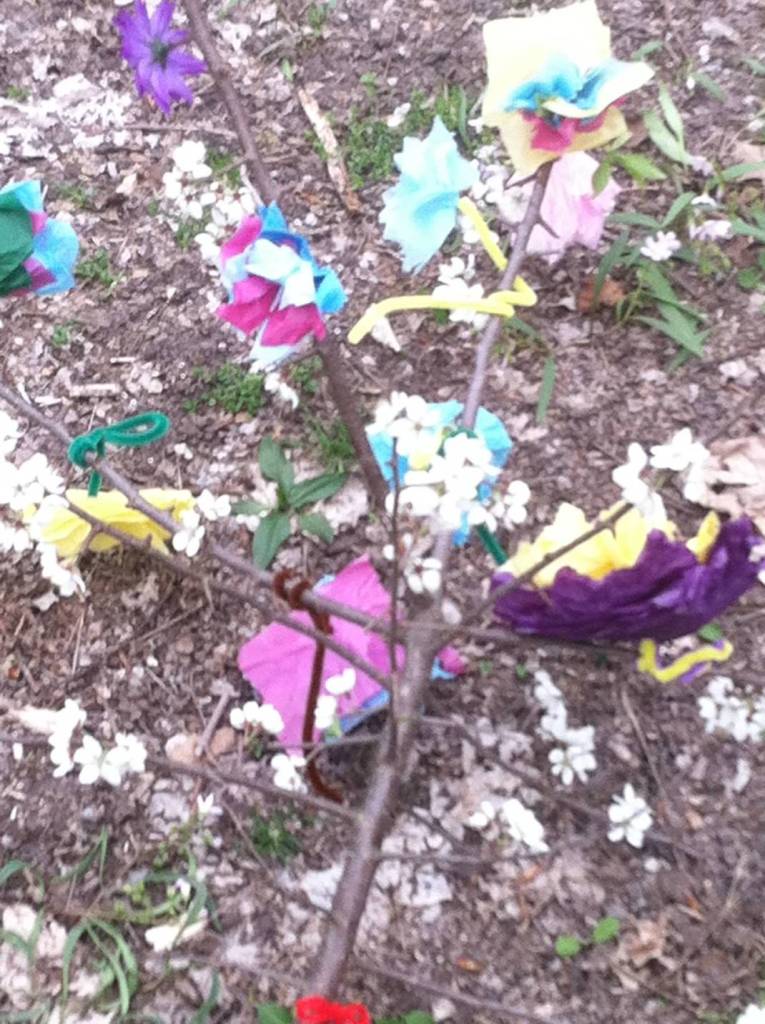
An avatar of Death carries a poppet in a procession, before it is disposed in a fire to cleanse negativity of the past year. Similarly, an avatar of Life disperses a crafted flower on a May Branch, to protect one’s home and belongings. (see photo)
The beloved May Pole, widely enjoyed in Britain and Wales, may have come from Nordic cultures.
Alban Hefyn
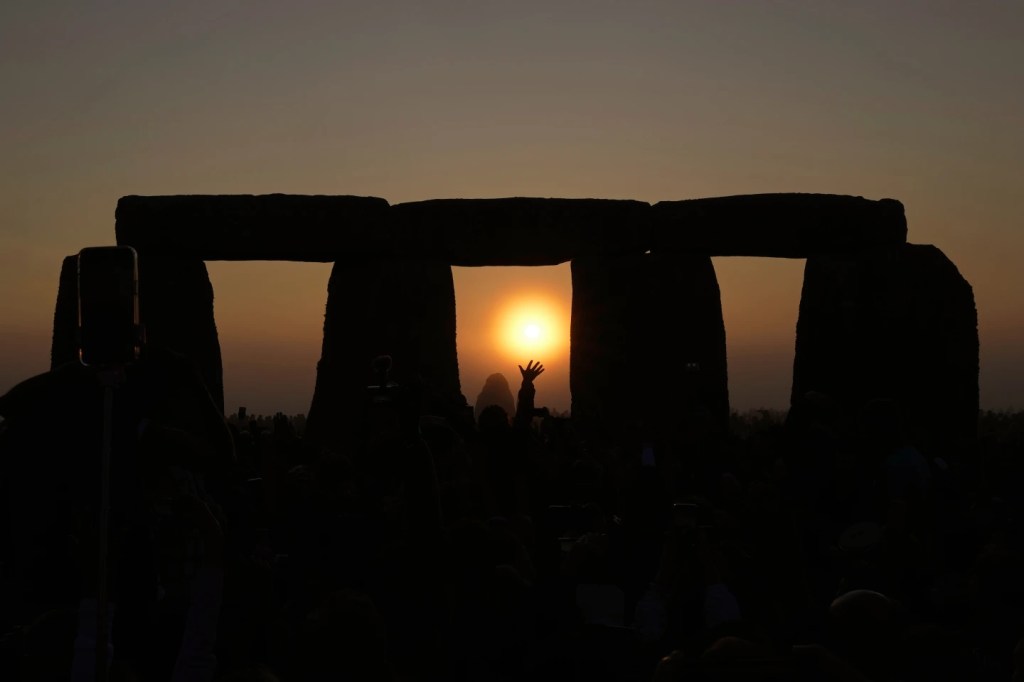
This is the summer solstice, which occurs circa June 21st.
Mid-Summer is traditionally celebrated with bonfires, Welsh folk dance, and dining together on roasted meats and seasonal berries.
Twigs of Oak, Ash, and Thorn are gathered for home and personal protection. Rudyard Kipling wrote a poem about this custom.
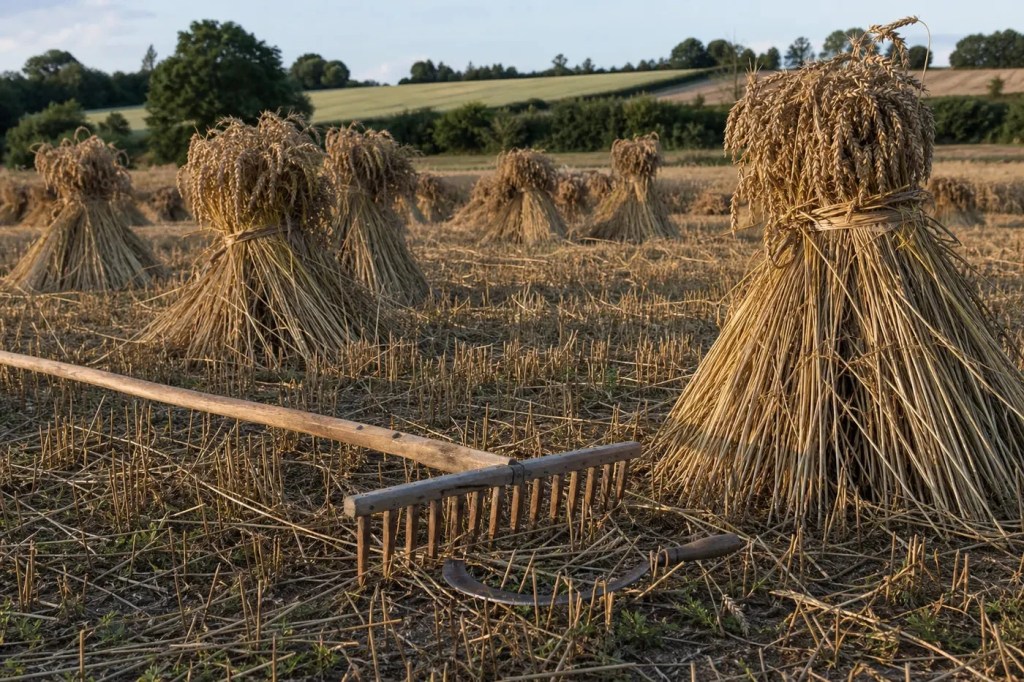
Lughnasadh / Ffaile Llew
From Lugh + násad, the Irish aspect of our god Llew and their word for assembly. Also known as Calan Awst or Gwyl Awst – the 1st of August. Ffaile Llew means “festival of Llew” in an American Cymraeg dialect.
A celebration of the first grain harvest!
Alban Elfed
Modern Pagans often call it Mabon. This name was derived from the hero Mabon ap Modron – but we revere Mawb / Mabon this day, cognate with his mother Modron and euhemerized as Saint Mabyn.
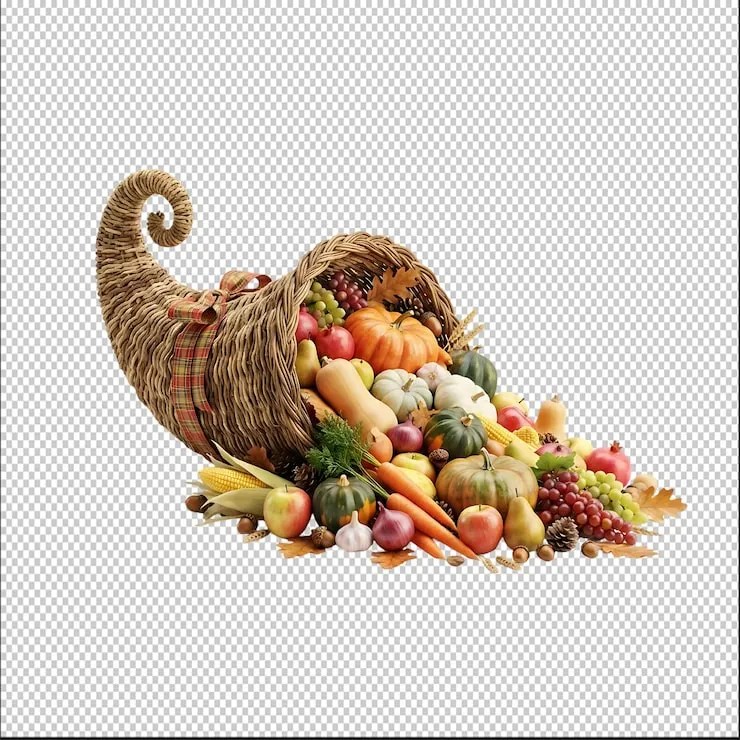
This is the major harvest festival, celebrated at the autumnal equinox, circa Sept. 21st.
Nos Calan Gaeaf
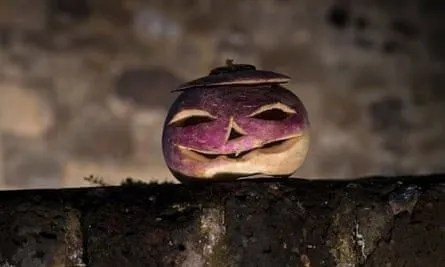
“Night before Beginning of Winter” An ysbrednos (spirit night) when the spirits of the dead are abroad. Much of the traditions of the modern Halloween originated in Welsh and Irish tradition.
Our forebearers carved turnips instead of pumpkins (see picture). Celebrated circa October 31st.
Alban Arthan
Middle of Winter, the winter solstice, celebrated circa Dec. 21st.
Traditionally includes a “deer hunt” folkplay, re-enacting the sacrifice of Cernunnos / the Bucca in a legend dating back to the Ice Age.
Additionally, the Mari Lywd is brought Wassailing and exchanges puns and lewd jokes from door to door, from Alban Arthan to Callenig.